What Makes Soft Washing Different
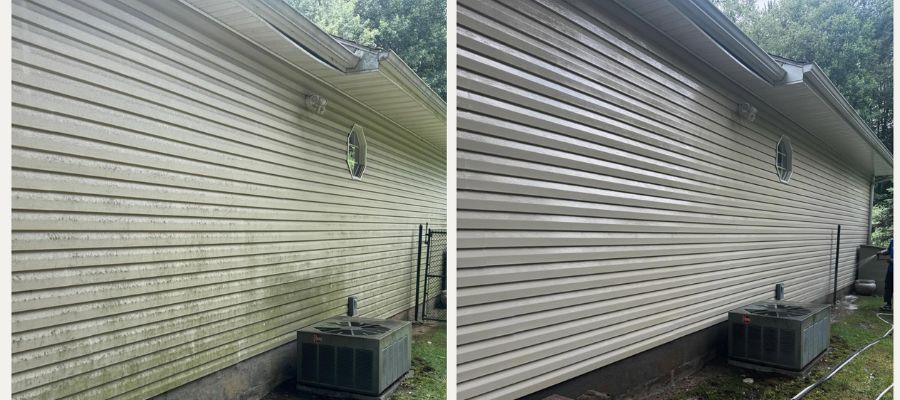
Soft washing uses low-pressure water combined with a specialized cleaning solution to break down algae, mold, mildew, and grime at the surface level. Instead of blasting dirt off with force, the solution does the work, and a gentle rinse carries it away. This approach is especially important for vinyl siding, stucco, and painted surfaces common throughout Bergen County, where high pressure can crack seams or strip paint.When Power Washing Is the Right Call
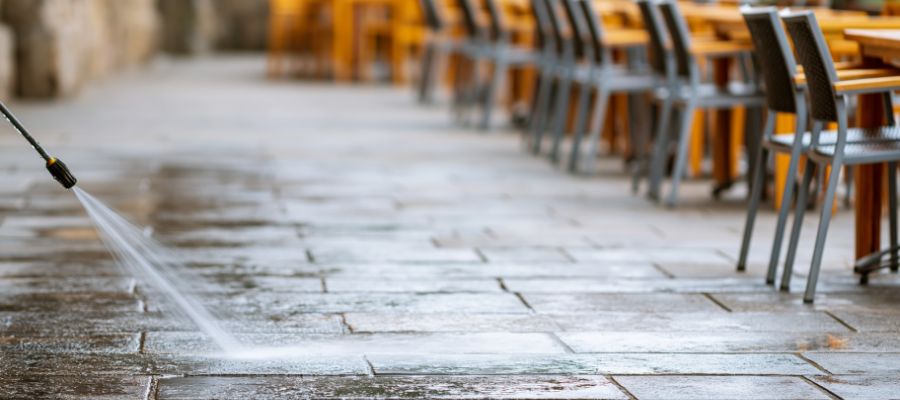
Power or pressure washing still has its place. Concrete driveways, brick walkways, and sealed patios can handle higher pressure and often need it to remove years of built-up grime, oil stains, or moss between pavers. The key is matching pressure levels to the surface, which is why a professional walk-through before the job starts matters more than the equipment itself.Why the Right Choice Protects Your Investment
Hackensack’s humid summers and wet winters create ideal conditions for algae and mildew growth on siding. Soft washing not only cleans more thoroughly in these cases, but it also leaves behind a residue that slows regrowth, meaning your home stays cleaner longer. Power washing the wrong surface, on the other hand, can force homeowners into costly siding repairs down the line.Getting a Professional Assessment
A-1 Pressure Washing evaluates each surface on your property individually — siding, gutters, walkways, and roofs are all treated differently based on material and condition. That assessment is what separates a wash that looks clean for a week from one that protects your home for the season. Ready to see the difference the right method makes? Contact A-1 Pressure Washing today for a free quote on your Hackensack home.Frequently Asked Questions
For most siding, especially vinyl, stucco, and painted surfaces, soft washing is the safer choice. It uses low pressure and cleaning solutions to remove organic growth and grime without relying on force that can damage the surface.
Power washing is generally better suited to durable surfaces such as concrete, brick, and some sealed patios. The appropriate method depends on the material, its condition, and the type of buildup being removed.
Yes. Excessive pressure can damage vinyl siding, force water behind panels, or affect seams and connections. Using the appropriate pressure and technique helps prevent these problems.
Soft washing can provide longer-lasting results when algae, mold, mildew, and other organic growth are the primary problem because the cleaning solution treats the growth rather than simply removing surface buildup.
Yes. Soft washing is designed to treat organic growth on exterior surfaces, breaking down the buildup so it can be gently rinsed away without high-pressure spray.
A-1 evaluates each surface before cleaning, considering the material, condition, and type of buildup. Siding, concrete, roofs, gutters, and other exterior surfaces may require different cleaning methods and pressure levels.
There is no one schedule for every home. Shade, moisture, tree coverage, surface type, and the amount of organic growth all affect how quickly an exterior needs cleaning.